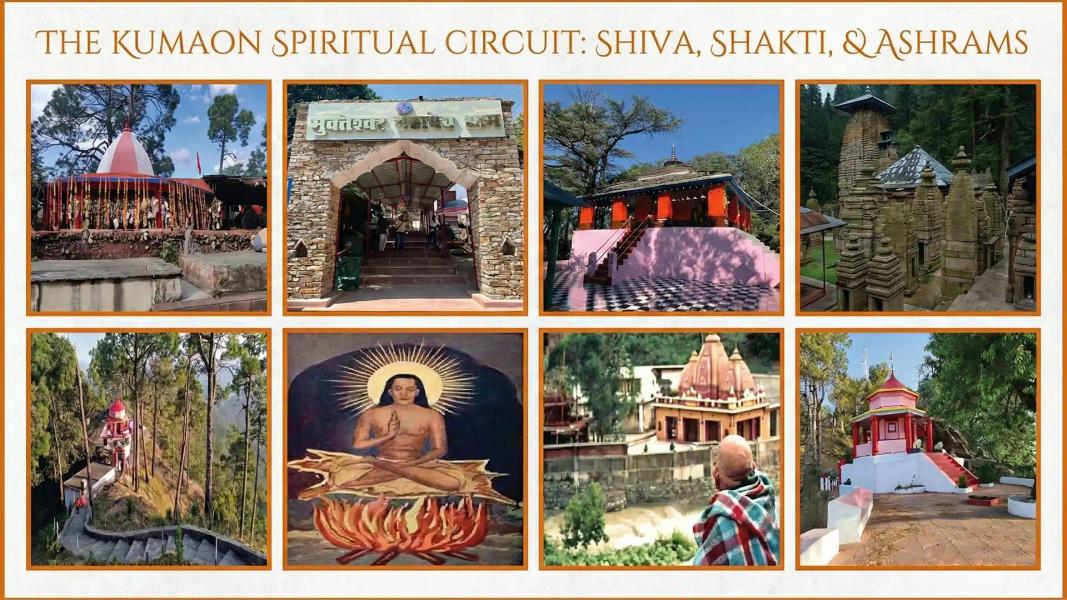
Sacred Temples of Kumaon
Discover ancient temples, spiritual ashrams, and sacred sites across the Kumaon Hills. Book reliable taxi services for your pilgrimage.
The Kumaon region of Uttarakhand is home to some of the most sacred temples and spiritual destinations in India. From ancient Shiva temples in Deodar forests to renowned ashrams that have attracted spiritual seekers from around the world, explore our comprehensive guide to the temples of Kumaon region.
Browse by Category
Spiritual Ashrams
High interest among national, international tourists and spiritual seekers.
Nainital
Ashram
Kainchi Dham
The Ashram of Neem Karoli Baba — The most searched spiritual spot in Uttarakhand
- Most searched spiritual destination in modern Uttarakhand.
- Spiritual seat of the world-renowned Neem Karoli Baba (Maharaj-ji).
- Famous for the massive "Bhandara" (community feast) held every June 15th.
Almora
🏛️ Mahavatar Babaji's Cave - Kukuchina
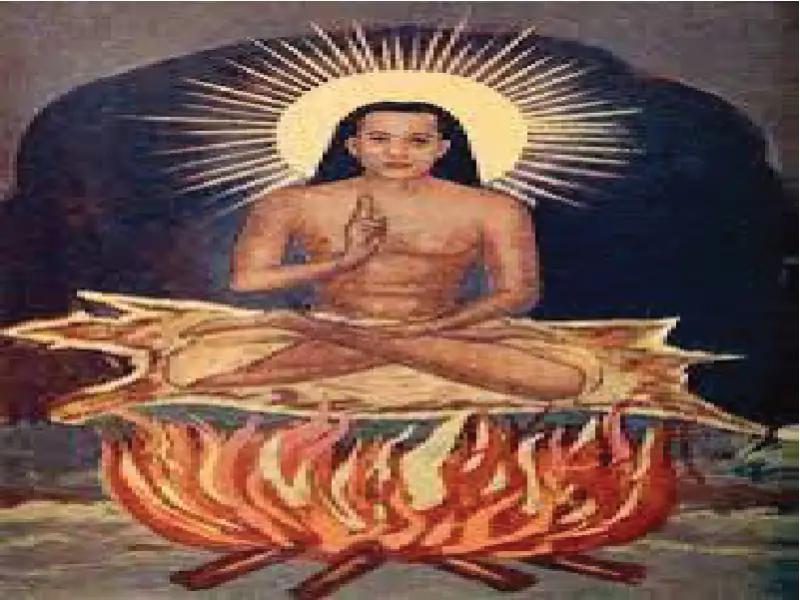
Mahavatar Babaji's Cave Kukuchina - The Origin of Kriya Yoga
- 1. The birthplace of modern Kriya Yoga.
- 2. The site of the legendary meeting between Babaji and Lahiri Mahasaya.
- 3. Requires a scenic and meditative 1-hour trek through pine forests.
Champawat
Ashram
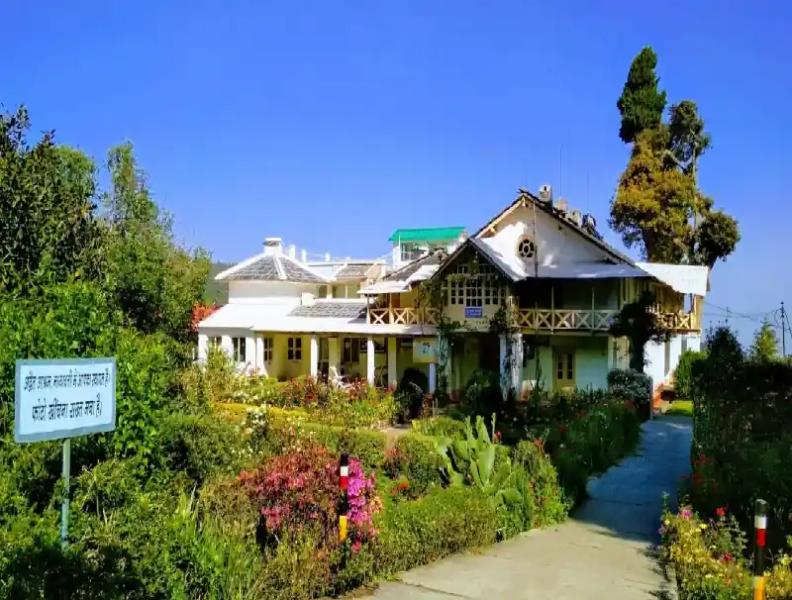
Mayawati Ashram
The silent peak of Advaita, where the soul meets the Absolute without the veil of ritual.
- Dedicated to Advaita Vedanta (Non-dualism)
- Founded by disciples of Swami Vivekananda in 1899
- Famous publishing hub for Ramakrishna Mission
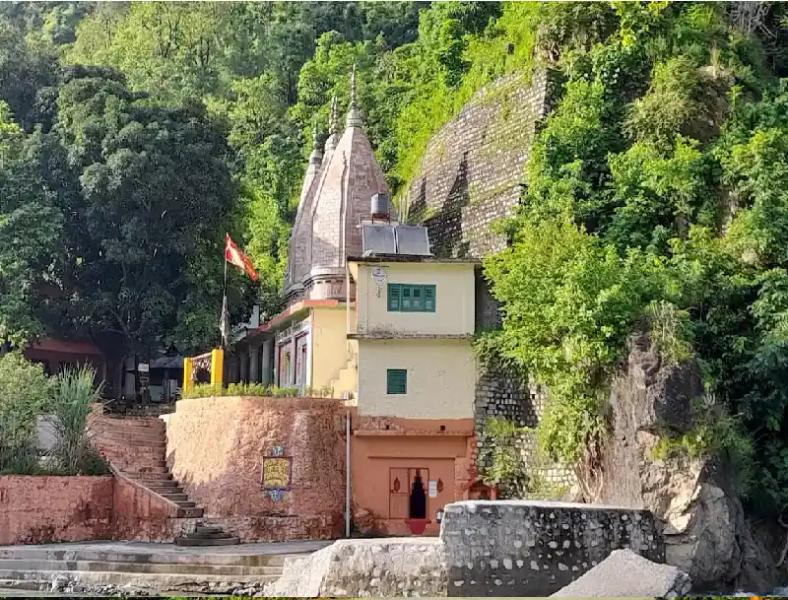
Nainital
Ashram
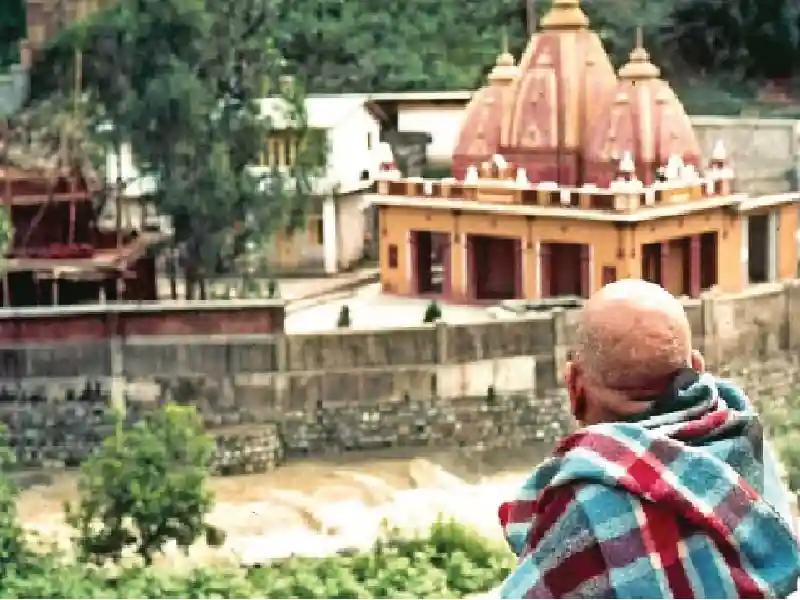
Haidakhan Babaji Temple
A Himalayan Jewel of Peace, where the snowy peaks of Nanda Devi mirror the clarity of the soul.
- Stunning white marble architecture and carvings.
- Continuous sacred fire (Dhuni) representing eternal consciousness.
- International hub for Vedic values and Karma Yoga.
Shakti Temples
The Shakti (Goddess) Powerhouses - Major pilgrimage sites for blessings and wish-fulfillment.
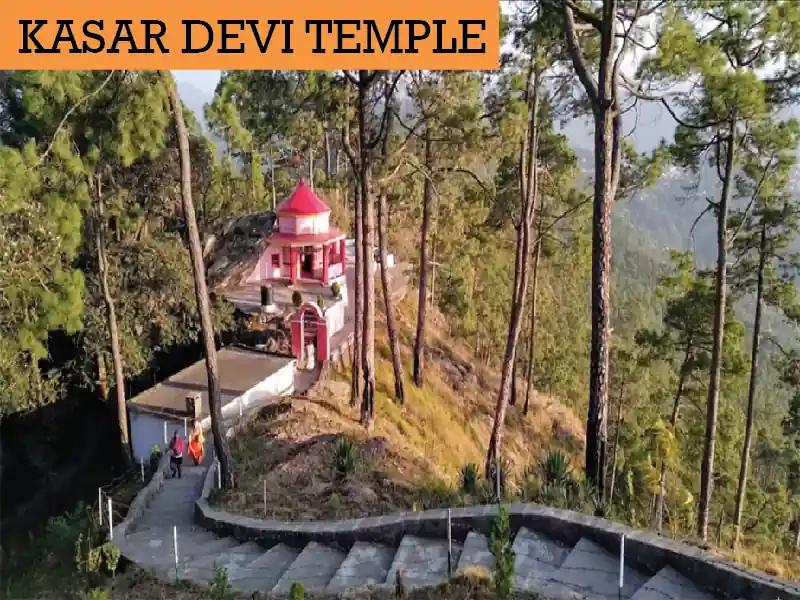
Almora
Shakti Temple
Kasar Devi
The hilltop sanctuary where the Earth's magnetic heartbeat meets the seeker's soul
- Situated on the Van Allen Belt with high geomagnetic energy.
- Ancient meditation site used by Swami Vivekananda.
- Panoramic views of the Nanda Devi Himalayan peaks.
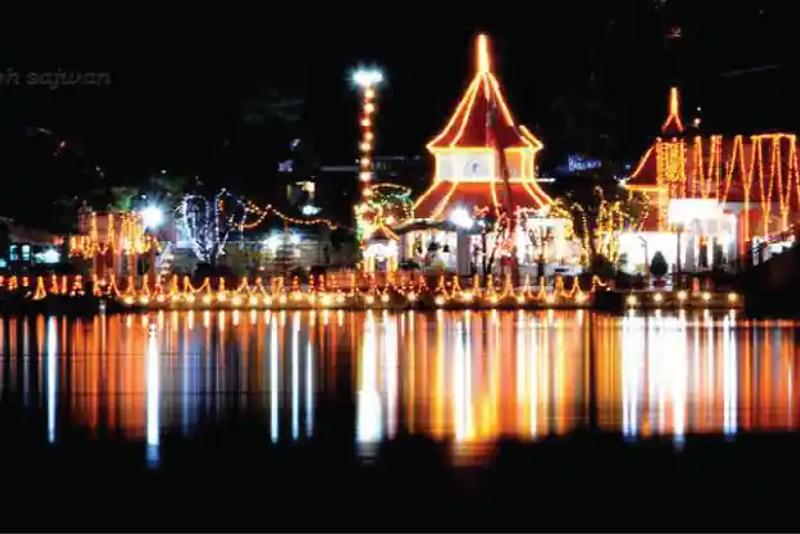
Nainital
Shakti Temple
Naina Devi Temple
Where the "Divine Eye" watches over the shimmering soul of Nainital.
- 1. One of the 51 sacred Shakti Peethas in India.
- 2. Located on the banks of the iconic Naini Lake.
- 3. Hub for the grand Nanda Ashtami celebrations.
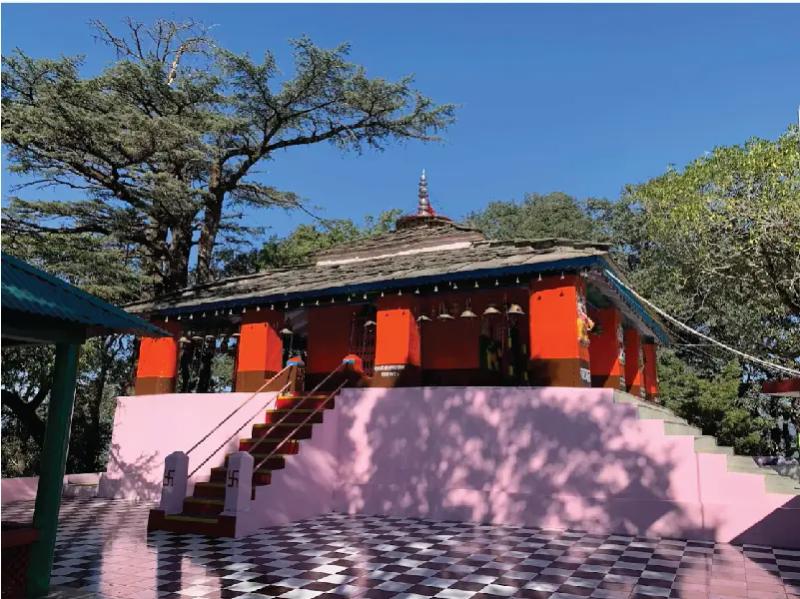
Almora
Shakti Temple
Dunagiri Temple Dwarahat
Dunagiri Temple - Sacred Vaishnavi Shakti Peeth
- 1. Significant Vaishnavi Shakti Peeth.
- 2. Direct mythological link to the Ramayana and Sanjeevani Buti.
- 3. Requires a scenic climb of 500 steps to reach the sanctum.
Nainital
Shakti Temple
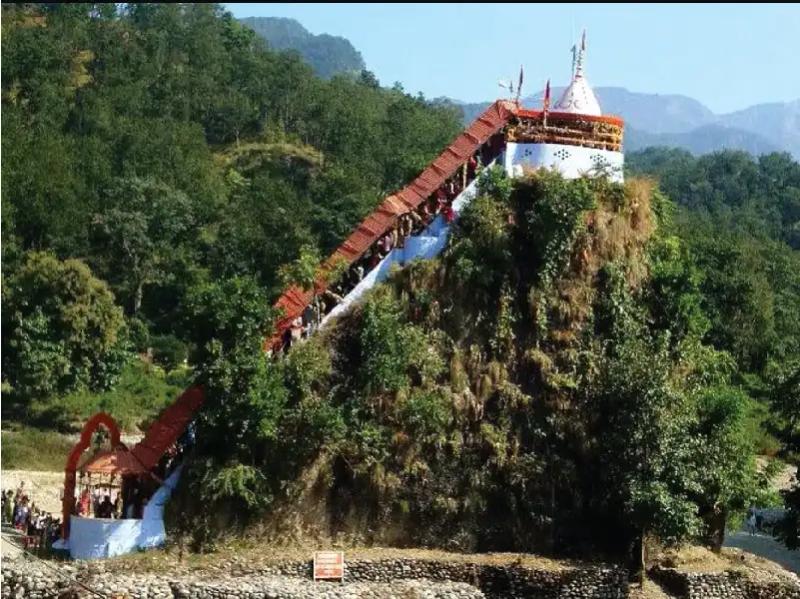
Garjia Devi Temple (Ramnagar)
Garjia Devi Temple - The Goddess on the Rock
- 1. Unique location on a rock in the middle of the Kosi River.
- 2. Major pilgrimage for newlyweds seeking blessings.
- 3. Located on the edge of Jim Corbett National Park.
Shiva Temples
The Lord of Kailash (Shiva Temples) - Ancient temples dedicated to Lord Shiva, often in scenic locations.
Almora
Shiva Temple
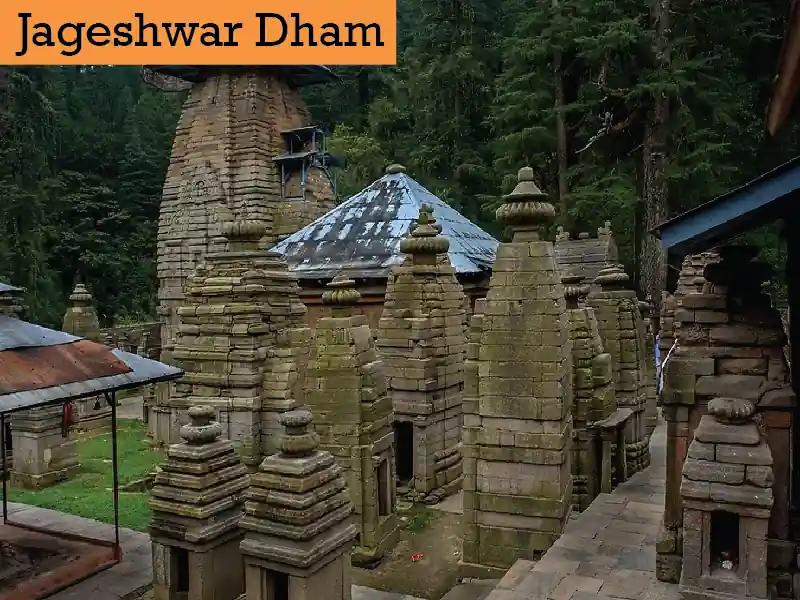
Jageshwar Dham
A sacred cluster of 124 ancient temples, cradled by Deodars and the eternal flow of the Jata Ganga
- Cluster of 124 ancient temples built between the 7th and 12th centuries.
- Spiritual site of the Nagesh Jyotirlinga.
- Masterpiece of North Indian Nagara-style architecture.
Nainital
Shiva Temple
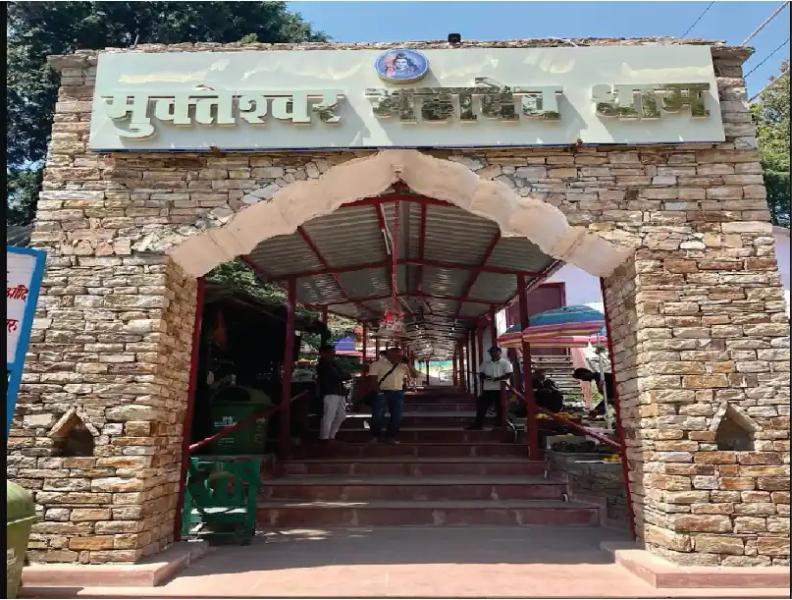
Mukteshwar Mahadev
Mukteshwar Mahadev Temple - The Peak of Salvation
- 1. Dedicated to Shiva as the granter of salvation (Mukti).
- 2. Incredible 180-degree views of the Nanda Devi and Trisul peaks.
- 3. Located next to the mystical rock formation, Chauli Ki Jali.
Bageshwar
Shiva Temple
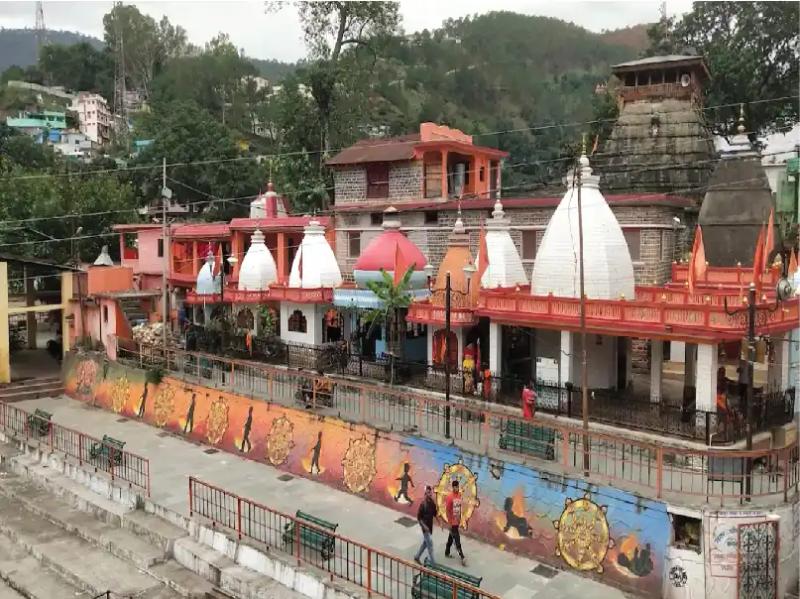
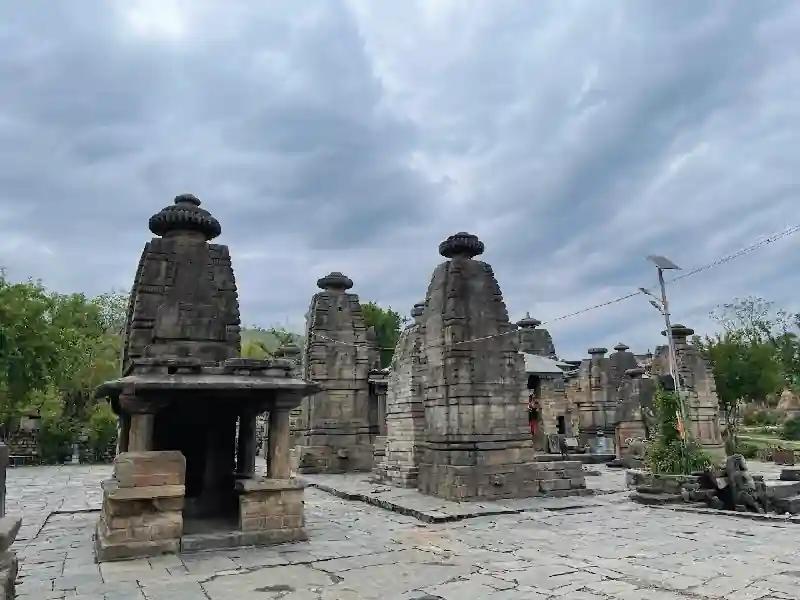
Bagnath Temple (Bageshwar)
Bagnath Temple Bageshwar - The Ancient Tiger Lord of Kumaon
- 1. Located at the holy Sangam of Sarayu and Gomati rivers.
- 2. Rebuilt in 1602 AD by the Chand kings.
- 3. Site of the famous annual Uttarayani Mela.
Bageshwar
Shiva Temple
Baijnath Temple Kausani
Baijnath Temple Complex Garur - Ancient Katyuri Heritage
- 1. 12th-century Nagara-style stone architecture.
- 2. Famous for the world-renowned black stone idol of Goddess Parvati.
- 3. Located on the serene banks of the Gomati River.
Pithoragarh
Shiva Temple
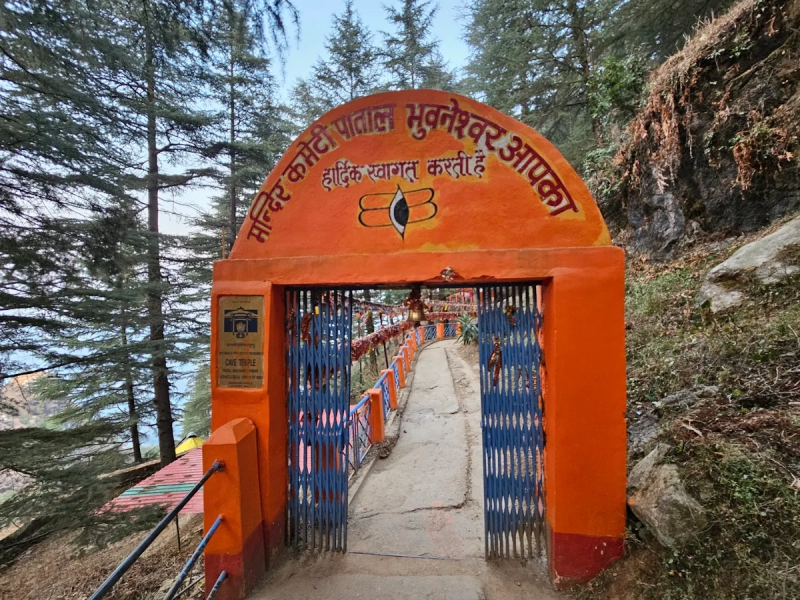
Patal Bhuvneshwar Cave Temple
The Subterranean Shrine Where 33 Crore Deities Dwell in Stone
- Subterranean limestone cave temple believed to house 33 crore (koti) deities in natural rock form.
- Dramatic rock formations identified by pilgrims as Sheshnag, Kamdhenu, and the four Yugas.
- Mythologically linked to the Pandavas, sage Markandeya, and Adi Shankaracharya.
Heritage & Architecture
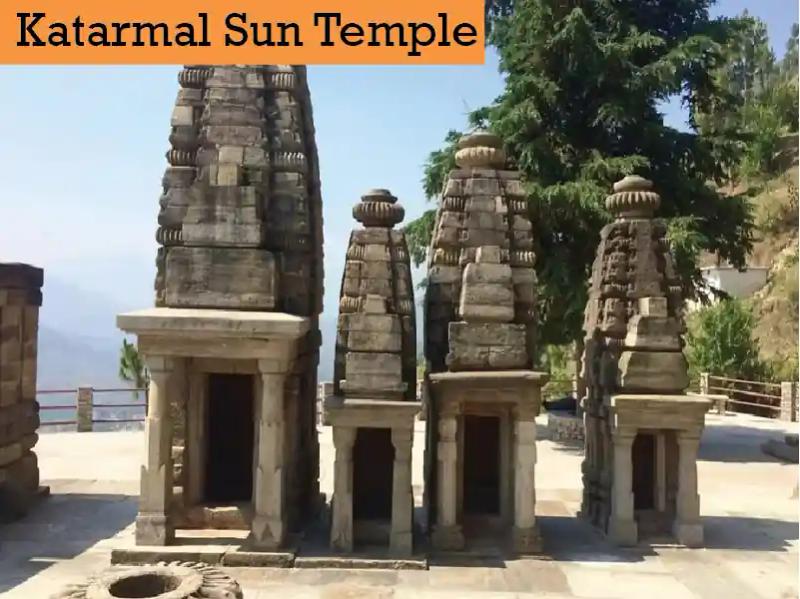
Temples famous for their archaeological value.
Gods of Justice
Gods of Justice & Local Legends
Almora
Local Deity
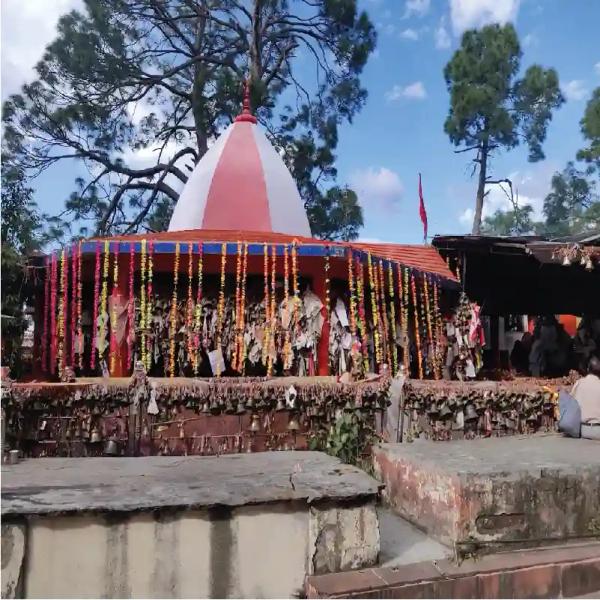
Chitai Golu Devta
Chitai Golu Devta Almora - The Famous God of Justice
- 1. Famous for the unique ritual of filing written petitions to the deity.
- 2. Known as the "Temple of a Million Bells."
- 3. Dedicated to Golu Devta, the legendary 12th-century King of Justice.
Nainital
Local Deity
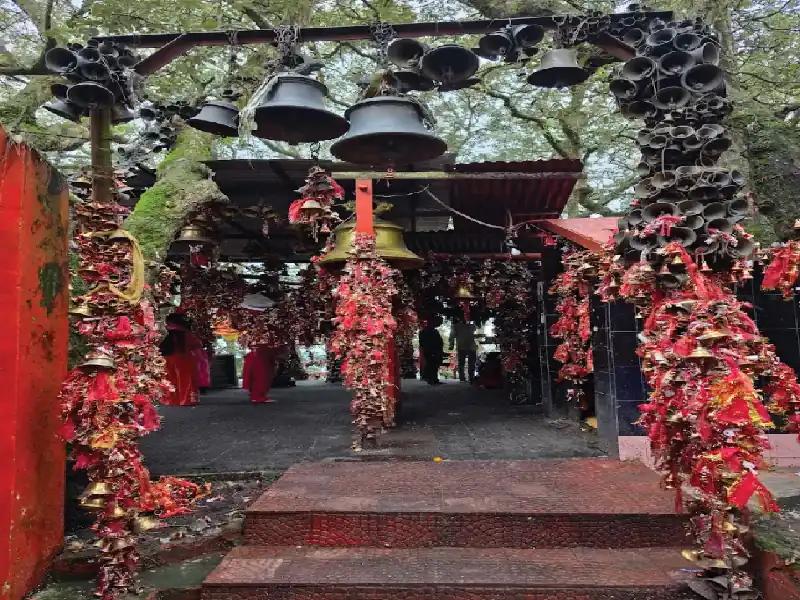
Ghorakhal Golu Devta Temple
Ghorakhal Golu Devta Temple - The Temple of Bells & Justice
- 1. Famous for the ritual of tying bells to seek divine justice.
- 2. Located on a panoramic ridge near Nainital and Bhowali.
- 3. Directly overlooks the Bhimtal valley and the historic Sainik School.
Temple Visiting Tips
- Dress modestly when visiting temples - cover shoulders and knees
- Remove footwear before entering temple premises
- Morning visits recommended for darshan to avoid crowds
- Carry water and light snacks for hill temples
- Book return taxi in advance for remote temples
- Photography may be restricted inside some temples
- Respect local customs and traditions
Plan Your Temple Tour
We can help you plan a customized temple tour covering multiple sacred sites in Kumaon. Contact us for a personalized itinerary.